


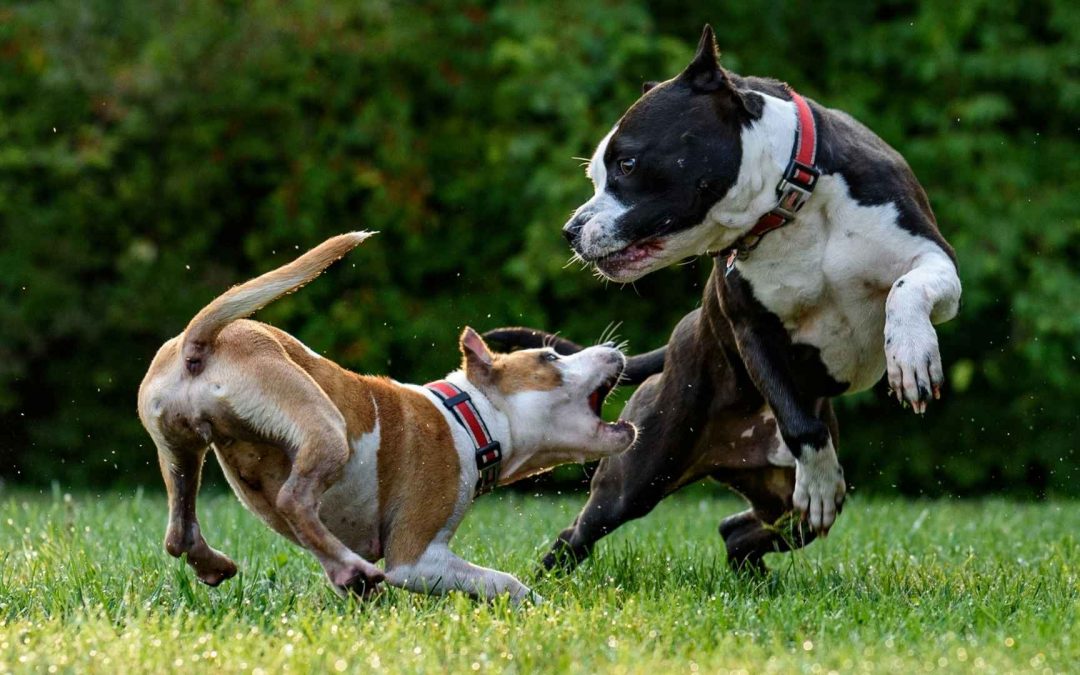
Are you worried that your dog is getting more aggressive around other dogs or people? If you’re a pet parent in South Jersey, you’re not alone. Understanding your dog’s reactivity is the first step towards creating a more harmonious environment for both your dog and the community.
Reactive dogs can be tough to handle, but with the right help, you can guide your dog to overcome its reactivity. In this article, we’ll look into why dogs become reactive and share practical tips to tackle it.
Key Takeaways
- Understand the causes of reactivity in dogs
- Learn how to identify signs of reactivity
- Discover effective strategies for managing reactivity
- Find out how to create a safe environment for your reactive dog
- Get tips on how to train your dog to respond calmly to triggers
Understanding Dog Reactivity: Signs and Causes
Dog reactivity is a common issue in South Jersey. It’s important to know its signs and causes. Dogs can react in many ways, so it’s key to recognize these signs and understand why they happen.
Common Signs of Reactivity in Dogs
Signs of reactivity include barking, growling, or avoiding certain things. If your dog reacts this way to other dogs, people, or noises, it might be reactive. Spotting these signs is the first step to managing your dog’s reactions.
Environmental Triggers in South Jersey Settings
South Jersey’s varied environments can trigger your dog’s reactivity. Crowded parks, noisy streets, and other dogs are common triggers. Knowing these triggers helps you prepare for walks and outings, reducing reactive episodes.
Being aware of these triggers and your dog’s reactions is the first step. It helps you plan to manage their reactivity. This makes your time with your dog more enjoyable and stress-free.
Expert Behavior Modification Tips for Reactive Dogs
If you live in South Jersey, you can help your reactive dog. Use expert-approved strategies to change their behavior or contacting a dog behaviorist. This includes understanding why they react, making a plan, and using methods like desensitization and counter-conditioning.
Creating a Management Plan for Your Reactive Dog
A good plan is key to handling situations that might upset your dog. Find out what triggers their reactions and plan how to avoid or lessen them. You might need to change your walking path, skip dog parks, or learn to stop a reaction early.
Your plan should be flexible and fit your dog’s specific needs. Keeping a journal of incidents can help you spot patterns. This way, you can make your plan better over time.
Desensitization and Counter-Conditioning Techniques
Desensitization and counter-conditioning are great for reducing reactivity. Start by exposing your dog to the trigger at a low level where they don’t react. Then, slowly increase the intensity.
Counter-conditioning pairs the trigger with something positive, like treats. For example, when your dog sees another dog, they get a treat. This helps them associate other dogs with good things.
Conclusion: Building a Better Future with Your Reactive Dog
As a pet parent, it’s key to understand and tackle your dog’s reactivity. This can strengthen your bond and make your home happier. Spotting the signs and reasons behind reactivity is the first step.
Using tips like desensitization and counter-conditioning can really help. Getting help from South Jersey’s experts can also offer tailored advice and support.
With time, effort, and the right methods, your reactive dog can become more confident and calm. Taking action now can lead to a better, less reactive relationship. This will improve your and your dog’s happiness.
Transform Your Dog’s Behavior with Expert Training
Unlock your dog’s full potential with our professional training programs at Happy Dogs Boarding and Training. Our experienced trainers use balanced, positive and effective methods to address behavior challenges, build obedience, and strengthen your bond. Whether your dog needs basic manners or advanced skills, we’re here to help every step of the way. Contact us today to start your dog’s journey to better behavior and a happier life.