


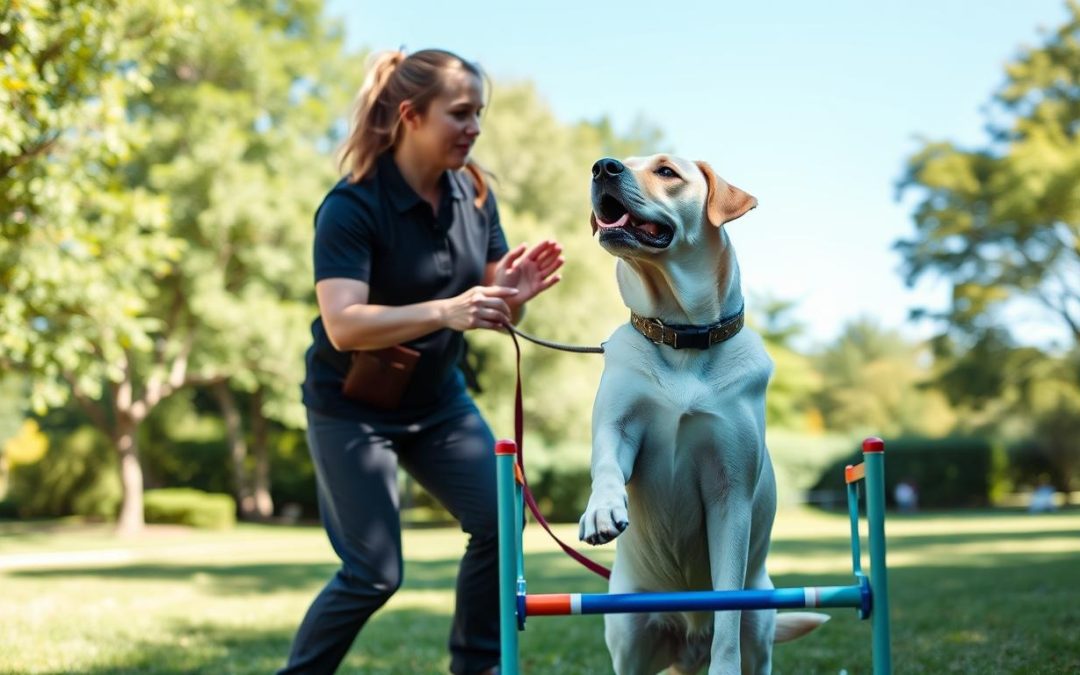
Ever wondered why dog trainers charge so much? It’s a mystery many pet owners face. We’re going to explore why dog training costs so much and what makes professional trainers’ fees high.
Dog training is more than just teaching tricks. It involves specialized knowledge and ongoing learning. As we dive into the world of dog education, we’ll see the real value of these services. You might find they’re worth every penny.
Key Takeaways
- Professional dog trainers invest heavily in education and certification
- Trainers’ fees reflect their expertise and customized training plans
- Location and specialized programs significantly impact training costs
- Liability insurance is a necessary expense for professional trainers
- The long-term benefits of professional training often justify the initial investment
Understanding the Value of Professional Dog Training
Professional dog training is very valuable for pets and their owners. It helps create a strong bond between them. This is why investing in quality training is so important.
The importance of proper canine education
Good education for dogs is more than just basic obedience. It shapes their behavior and improves communication. It also deepens the bond between dog and owner.
Canine behavior modification programs help with specific issues. They make sure your dog is well-behaved and friendly.

Long-term benefits of investing in dog training
Investing in dog training has long-term benefits. Trained dogs are easier to handle and less likely to have behavioral problems. They also adapt better to different situations.
This leads to less stress and fewer vet visits. It makes being with your dog more enjoyable.
How professional training differs from DIY approaches
While DIY training might seem appealing, professional training is better. Trainers know a lot about dog psychology and behavior. They can create plans that fit each dog’s needs.
This specialized approach often leads to faster and better results. It’s more effective than trying to learn on your own.
| Professional Training | DIY Approaches |
|---|---|
| Tailored strategies | Generic techniques |
| Expert knowledge | Limited understanding |
| Consistent methods | Trial and error |
| Faster results | Slower progress |
The Expertise Behind Dog Training Professionals
Professional dog trainers have a lot of knowledge and skills. They know more than just basic commands. They understand the complex world of dog behavior and psychology.

Dog trainers spend a lot of time learning. They often get formal certifications. These programs teach them about:
- Canine body language and communication
- Behavioral modification techniques
- Positive reinforcement methods
- Puppy socialization strategies
- Advanced obedience training
Getting and keeping these certifications costs money. This is why dog trainer fees are what they are. Trainers also keep learning to stay up-to-date.
Hiring a professional dog trainer is more than just paying for their time. It’s an investment in their years of study and experience. Their knowledge helps solve tough problems, leading to lasting results.
Why Are Dog Trainers So Expensive?
Dog training costs can seem high at first. We’ll look at the expenses and compare training options. This will help you understand where your money goes.
Breaking Down Professional Dog Training Costs
Professional dog trainers spend a lot on their skills and resources. They invest in education, certifications, equipment, and ongoing learning. These costs add up to the price of training services.
Factors Influencing Trainer Fees
Several things affect dog trainer fees:
- Trainer’s experience and reputation
- Location such as South Jersey dog trainers (urban areas tend to be pricier)
- Specialized training needs
- Duration and intensity of training programs
These factors come together to set the final price of training services.
Private Sessions vs. Group Classes: A Cost Comparison
When deciding between private sessions and group classes, think about cost and value. Here’s a comparison:
| Aspect | Private Sessions | Group Classes |
|---|---|---|
| Cost | Higher per session | Lower per class |
| Attention | One-on-one focus | Shared attention |
| Customization | Tailored to your dog | General curriculum |
| Socialization | Limited | Excellent opportunity |
Private sessions give your dog personalized attention. But group classes are cheaper and offer great socialization. Your choice depends on your dog’s needs and your budget.
The Investment in Dog Trainer Education and Certification
Professional dog trainers spend a lot on their education and certification. This shows their commitment to learning. It also affects their prices. When you hire a dog trainer, you’re paying for their time and expertise.
Dog trainer certification costs can vary a lot. Basic courses might start at $500. But, more comprehensive programs can cost over $5,000. These certifications teach about animal behavior, learning theory, and training techniques.
Many trainers get multiple certifications. They might specialize in aggression management or service dog training. This education helps them deal with complex cases, which justifies higher fees.
Certification programs include:
- Hands-on training sessions
- Written exams
- Practical assessments
- Continuing education requirements
These standards make sure certified trainers can handle different dog challenges. When you hire a dog trainer, look at their certifications. They show their dedication and skill level.
The education trainers invest in means better results for your pet. While cheaper trainers might be available, their quality can vary. Certified trainers offer peace of mind and consistent, science-based training methods.
Time and Effort: The Hidden Costs of Dog Training
When we invest in dog training, it’s not just about the hours we spend with our pets. Professional trainers work hard behind the scenes. This extra work adds to the cost of their services.
Hours of Preparation and Follow-up
Trainers spend more time than just the training hours. They prepare and follow up with each dog. This includes looking over dog histories, making lesson plans, and helping owners after sessions.
Customizing Training Plans
Every dog is different, needing their own training plan. Trainers get to know each dog’s needs and how they learn. This makes training more effective but takes more time and skill.
Ongoing Education for Trainers
Trainers keep learning new techniques to improve their skills. This ongoing education is key for them and benefits the dogs they train.
| Hidden Cost | Time Invested | Impact on Training Quality |
|---|---|---|
| Preparation | 2-3 hours per client | Tailored approach, better results |
| Follow-up | 1-2 hours per session | Reinforced learning, owner support |
| Customization | 3-4 hours per program | Personalized strategies, faster progress |
| Ongoing Education | 10-15 hours monthly | Up-to-date techniques, improved expertise |
Knowing about these hidden costs helps us see the real value of professional dog training. The time and effort trainers put in ensures effective training. This leads to lasting changes in our dogs’ behavior.
Equipment and Resources Used in Professional Dog Training
Professional dog trainers use many tools to teach and change dog behavior. These tools are key to their work and affect their costs. Let’s look at what makes training successful.
Tools like clickers, treat pouches, and target sticks are crucial. Clickers help mark good behaviors. Treat pouches let trainers reward dogs quickly. Target sticks help dogs learn complex actions.
There are many types of leashes and collars for different training needs. From simple collars to head halters and harnesses, each has its own role. They help control and guide dogs during training.
| Equipment Type | Purpose | Average Cost |
|---|---|---|
| Clicker | Marking desired behaviors | $3 – $10 |
| Treat Pouch | Quick reward delivery | $10 – $30 |
| Target Stick | Guiding complex movements | $5 – $20 |
| Specialized Leashes | Control and direction | $15 – $50 |
| Training Collars | Behavior modification | $20 – $300 |
Trainers also use agility equipment like jumps and tunnels. These items are expensive but help dogs learn and grow. They improve obedience and confidence.
Trainers invest in books and online courses to learn new methods. These resources keep them up-to-date and skilled. They also affect their fees.
Location Matters: How Geography Affects Dog Training Costs
Your location greatly influences dog training costs. Prices differ significantly between city and rural areas. We’ll explore how location affects costs, focusing on New Jersey and Philadelphia.
Training Costs in New Jersey and Philadelphia
In New Jersey and Philadelphia, the urban setting drives up costs. South Jersey, with its higher living costs, sees pricier training. Philadelphia, being a major city, also has higher prices for dog training.
| Location | Average Cost (1-hour session) | Group Class (6 weeks) |
|---|---|---|
| New Jersey | $175 – $250 | $300 – $700 |
| Philadelphia | $200 – $275 | $400 – $1,200 |
| South Jersey | $150 – $225 | $300- $675 |
Urban vs. Rural Pricing Differences
Urban spots like Philadelphia and parts of New Jersey charge more for dog training. This is due to several reasons:
- Higher operating costs for trainers in cities
- Greater demand for services in urban areas
- More specialized training options available in cities
Rural areas, on the other hand, offer lower rates but fewer specialized trainers. In New Jersey, prices vary a lot between cities and rural areas.
When picking a dog trainer, think about how location impacts cost and service availability. Whether in Philadelphia, New Jersey, or South Jersey, knowing these price differences helps budget for your dog’s training.
Specialized Training Programs and Their Costs
Specialized dog training programs meet specific needs and are often pricier. They need more expertise and time from trainers, leading to higher costs. Let’s look at some of these programs and their prices.
Service dog training is very intensive and expensive. These dogs are trained to help people with disabilities. The training can last up to two years and cost between $10,000 and $50,000. This reflects the time, resources, and expertise needed for effective training.
Canine behavior modification programs fix specific issues in dogs. These programs cost between $500 and $2,500 or more. Issues like aggression, anxiety, and excessive barking are common.
| Specialized Program | Duration | Average Cost Range |
|---|---|---|
| Service Dog Training | 1-2 years | $10,000 – $50,000 |
| Behavior Modification | 4-12 weeks | $3,500 – $5,500+ |
| Therapy Dog Training | 4-8 weeks | $5,000 – $10,000 |
| Protection Dog Training | 2-6 months | $7,500 – $20,000 |
Therapy dog and protection dog training also have different costs. Therapy dog training costs $5,000 to $10,000. Protection dog training can cost $7,500 to $20,000. These programs need specific skills and certifications, adding to their costs.
The Role of Liability Insurance in Dog Training Fees
Dog training costs can vary a lot. One big factor is liability insurance. This insurance is key for trainers to protect themselves from risks.
Why Trainers Need Insurance Coverage
Working with dogs has risks. A dog might bite someone, or damage property. Liability insurance helps trainers avoid big legal and financial problems. It covers medical costs, legal fees, and damage claims from training issues.
How Insurance Affects Overall Pricing
Liability insurance costs are part of what trainers charge. They pay yearly for this insurance, which can cost from a few hundred to several thousand dollars. This cost is shared among clients, making training a bit pricier.
| Insurance Type | Typical Annual Cost | Impact on Hourly Rate |
|---|---|---|
| Basic Liability | $500 – $1,000 | $1 – $2 per hour |
| Comprehensive Coverage | $1,500 – $3,000 | $3 – $5 per hour |
| Specialized Pet Pro Insurance | $2,500 – $5,000 | $5 – $10 per hour |
Insurance makes fees higher, but it’s worth it. It lets trainers work without fear of huge financial losses. For clients, it means they’re working with pros who are serious about their job.
Maximizing the Value of Your Dog Training Investment
Investing in professional dog training can change your life and your dog’s. To get the most out of it, you need a smart approach. Let’s look at how to make your dog training worth it.
Tips for choosing the right trainer
When you’re looking for a dog trainer, find someone with lots of experience and great reviews. Make sure their training style fits your goals. A good trainer will offer a free meeting to see if they’re a good match for you and your dog.
How to prepare for training sessions
Before each session, get your dog’s favorite treats, toys, and leash ready. Make sure your dog is tired but not too hungry. Write down any questions or concerns for the trainer. Being ready helps you get the most from each session.
Reinforcing training at home
Consistency is key in dog training. Practice what you learn every day. Use short training times and add commands to your daily routine. Remember, your investment in dog training is an ongoing journey that needs patience and dedication.
Follow these tips for a successful dog training experience. For professional dog training, contact Happy Dogs Boarding and Training at (856) 783-4042.