


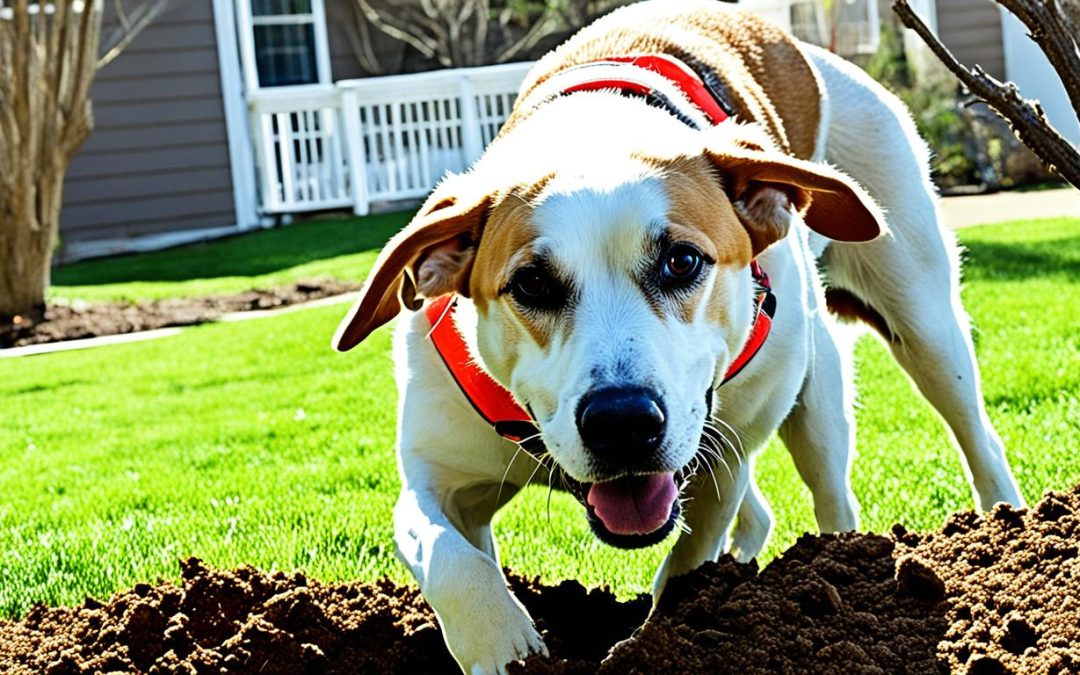
Ever wonder why your furry friend acts out in ways that leave you scratching your head? As dog owners, we often find ourselves puzzled by our pets’ behaviors. From excessive barking to destructive chewing, these issues can test our patience and strain our relationships with our canine companions. But what if we told you that understanding and addressing these problems is easier than you think?
In this guide, we’ll dive into the world of dog behavior. We’ll explore what the most common behavioral problems in dogs are and how to tackle them. We’ll also look into dog aggression and why dogs bark too much. Plus, we’ll give you practical solutions to help you and your pup live in harmony.
Whether you’re a new pet parent or a seasoned dog owner, knowing about these common issues is key for a happy, healthy relationship with your four-legged friend. And remember, if you’re feeling overwhelmed, don’t hesitate to reach out to professionals. Happy Dogs Boarding and Training is just a call away at (856) 783-4042, ready to offer expert guidance tailored to your dog’s unique needs.
Key Takeaways
- Understanding common dog behavior problems is essential for pet owners
- Dog aggression and excessive barking are among the most frequent issues
- Many behavioral problems can be addressed through proper training and socialization
- Environmental factors play a significant role in shaping dog behavior
- Professional help is available for tackling complex behavioral issues
Understanding Dog Behavior: The Basics
Dogs are complex creatures with unique personalities and behaviors. It’s important for every pet owner to understand dog behavior basics. This knowledge helps build a strong bond with your furry friend.
Recognizing Normal vs. Problematic Behaviors
Dogs communicate in many ways. Tail wagging, barking, and chewing are normal behaviors. But, if they become too much or aggressive, they can be a problem. It’s important to know the difference to address issues early.
The Role of Training and Socialization
Training and socialization are key to a dog’s behavior. Early exposure to different people, animals, and places helps make pets well-adjusted. Consistent training also helps reinforce good habits and strengthens the bond with your dog.
Impact of Environment on Dog Behavior
A dog’s environment greatly affects its behavior. Things like living space, daily routines, and family dynamics matter. A stable, enriching environment encourages positive behavior in dogs.
| Behavior Factor | Impact on Dogs | Owner’s Role |
|---|---|---|
| Training | Establishes rules and boundaries | Consistent, positive reinforcement |
| Socialization | Builds confidence and adaptability | Expose to various experiences |
| Environment | Shapes daily habits and responses | Provide stability and enrichment |
Understanding these basics of dog behavior is key to a harmonious relationship with your pet. For expert advice on dog training and behavior, call Happy Dogs Boarding and Training at (856) 783-4042.
What is the most common behavioral problems in dogs
Dogs can show many behaviors that puzzle their owners. We’ve made a list of the most common dog behavior issues. This list aims to help you understand and tackle these problems.
Aggression is a top issue, showing as growling, snapping, or biting towards people or other animals. Dogs also bark too much, often because they’re bored, anxious, or protecting their territory.
Many dogs suffer from separation anxiety, causing them to act out when left alone. This can mean chewing furniture, shoes, or other items. Some dogs also dig, whether in the yard or on carpets, which can be a big problem for owners.
| Behavior | Possible Causes | Potential Solutions |
|---|---|---|
| Aggression | Fear, territoriality, pain | Professional training, socialization |
| Excessive Barking | Boredom, anxiety, alerting | Increased exercise, positive reinforcement |
| Separation Anxiety | Lack of independence, fear | Gradual desensitization, crate training |
| Destructive Chewing | Teething, boredom, anxiety | Provide appropriate chew toys, exercise |
| Digging | Instinct, boredom, seeking comfort | Designate digging area, increase mental stimulation |
If you’re facing these issues with your dog, don’t hesitate to get help. Call Happy Dogs Boarding and Training at (856) 783-4042 for expert advice on common dog behavior problems.
Aggressive Behavior in Dogs: Causes and Solutions
Dog aggression is a serious issue that can be dangerous for both pets and owners. We need to understand the root causes of aggressive behavior in dogs to address it effectively. Let’s explore the types of aggression, common triggers, and ways to manage this challenging problem.
Types of Dog Aggression
Dogs can display various forms of aggression, each with unique characteristics:
- Fear-based aggression
- Territorial aggression
- Possessive aggression
- Protective aggression
- Redirected aggression
Identifying Triggers for Aggressive Behavior
Recognizing what sets off aggressive behavior in dogs is crucial for prevention. Common triggers include:
| Trigger | Description |
|---|---|
| Unfamiliar people or animals | Dogs may feel threatened by new faces |
| Resource guarding | Protecting food, toys, or resting spots |
| Pain or discomfort | Physical distress can lead to aggression |
| Lack of socialization | Insufficient exposure to various stimuli |
Professional Help for Aggressive Dogs
Dealing with dog aggression often requires expert assistance. Professional trainers and behaviorists can provide tailored strategies to manage and reduce aggressive tendencies. They use positive reinforcement techniques and behavior modification to address the root causes of aggression.
If you’re struggling with an aggressive dog, don’t hesitate to seek help. Call Happy Dogs Boarding and Training at (856) 783-4042 for expert guidance in managing dog aggression and creating a safer environment for everyone.
Excessive Barking: How to Quiet a Noisy Pup
Excessive barking can be a big problem for dog owners and their neighbors. We know how tough it can be to deal with a dog that won’t stop barking. That’s why we’re sharing some effective ways to help your dog bark less.
Dogs bark for many reasons, like being bored, anxious, or feeling protective. It’s important to figure out why your dog is barking so much. Once you know the reason, you can start working on ways to make it stop.
Training is key in controlling your dog’s barking. By using positive reinforcement, you can teach your dog when it’s okay to bark and when to be quiet. For instance, giving your dog treats for calm behavior can help them bark less often.
Changing your dog’s environment can also help. Giving them toys and puzzles can keep them busy and less likely to bark from boredom. Creating a quiet spot for your dog, away from loud noises, can also cut down on barking.
“A tired dog is a quiet dog. Regular exercise and mental stimulation can work wonders in reducing excessive barking.” – John Soares
If you’re having trouble with your dog’s barking, don’t give up. Happy Dogs Boarding and Training can offer expert advice on how to stop your dog from barking so much. Call us at (856) 783-4042 to talk about how we can help quiet your dog and bring peace back to your home.
Separation Anxiety: Helping Your Dog Cope When Alone
Many dog owners deal with separation anxiety. Dogs with this issue get very stressed when left by themselves. We will look into how to spot and fix this problem. This way, your furry friend will feel safe when you’re not there.
Signs of Separation Anxiety
It’s important to know the signs of dog anxiety. Look out for these behaviors when you’re about to leave or after you’ve left:
- Excessive barking or howling
- Destructive chewing or digging
- Attempts to escape
- Pacing or restlessness
- Accidents in the house (even if house-trained)
Creating a Comfortable Environment
A calm space can really help with separation anxiety. Here are some tips:
- Leave comfort items with your scent
- Provide engaging toys or puzzles
- Create a cozy den-like area
- Use calming music or white noise
Gradual Desensitization Techniques
Overcoming separation anxiety takes time and patience. Start with short times away and slowly increase them. Practice your leaving routine without actually leaving to help your dog get used to it. Being consistent is important in helping your dog feel less anxious.
“With proper training and patience, most dogs can learn to feel comfortable when left alone.” – Lilia Bozzetti
If your dog’s separation anxiety doesn’t get better, don’t hesitate to get help. Call Happy Dogs Boarding and Training at (856) 783-4042 for expert advice on managing your pet’s anxiety.
| Technique | Description | Effectiveness |
|---|---|---|
| Comfort Items | Leave items with your scent | High |
| Puzzle Toys | Provide mental stimulation | Medium |
| Gradual Absences | Slowly increase time away | Very High |
| Calming Music | Play soothing sounds | Medium |
Destructive Chewing: Saving Your Shoes and Furniture
Dogs love to chew. It’s a natural way for them to keep their teeth clean and their minds busy. But when they chew on your favorite shoes or furniture, it’s a problem. Let’s look at how to stop this and save your things.
Dogs chew destructively because they’re bored, anxious, or teething. We need to give them something else to chew on and teach them what’s off-limits.
First, make your home safe for your dog. Keep things like shoes, remotes, and toys out of reach. Then, get a bunch of chew toys in different textures and sizes. Change them often to keep your dog interested.
If you catch your dog chewing on something they shouldn’t, say “No” firmly and give them a chew toy. Praise them when they pick up the toy. This rewards good behavior.
- Use bitter apple spray on furniture to deter chewing
- Provide plenty of exercise to reduce boredom-related chewing
- Consider puzzle toys that dispense treats to keep your dog mentally stimulated
If your dog still chews on things even after trying these tips, you might need professional help. Call Happy Dogs Boarding and Training at (856) 783-4042 for expert advice on stopping this behavior. They can help make your home chew-free again.
Digging Behavior: Curbing Your Dog’s Excavation Habits
Dogs love to dig. It’s a natural instinct that can turn your backyard into a moonscape. We’ll explore why dogs engage in digging behavior and how to manage it effectively.
Understanding Why Dogs Dig
Dog digging comes from many reasons. Some breeds, like terriers, are naturally inclined to dig. Others may dig to:
- Escape boredom
- Hide toys or bones
- Create a cool spot to rest
- Chase underground prey
Redirecting Digging Behavior
To curb excessive digging, try these strategies:
- Increase exercise to reduce pent-up energy
- Provide mental stimulation with toys and games
- Address underlying anxiety or boredom
- Use deterrents in problem areas
Remember, consistency is key when redirecting this behavior.
Creating Safe Digging Areas
If your dog’s digging instinct is strong, consider designating a specific area where it’s allowed. Create a sandbox or soft soil patch. Bury toys or treats to encourage digging there. This satisfies their natural urge while preserving your lawn.
For professional help with dog digging issues, call Happy Dogs Boarding and Training at (856) 783-4042. We can provide personalized strategies to manage your dog’s digging behavior effectively.
Jumping Up: Teaching Your Dog Four-on-the-Floor
Dog jumping is a common problem many pet owners deal with. It might seem cute in puppies, but it can become a big issue as they get bigger. We’re here to help you manage this issue effectively.
Dogs jump up because they’re excited and want attention. To stop this, being consistent is crucial. When your dog jumps, ignore them. Only pay attention when they have all four paws on the ground. This shows them that jumping doesn’t work.
Teaching an alternative behavior is also a good idea. Train your dog to sit when they greet people. Give them treats and praise when they do it right. Soon, they’ll prefer sitting over jumping.
“A well-trained dog is a happy dog. Consistency and positive reinforcement are the cornerstones of successful behavioral modification.” – John Soares
Changing the habit of jumping up takes time and patience. If you’re having trouble, don’t hesitate to get professional help. Call Happy Dogs Boarding and Training at (856) 783-4042 for expert advice on stopping jumping up and other training issues.
Leash Pulling: Strategies for Pleasant Walks
Walking your dog should be fun, not a hassle. We’ll share tips to make walks better for you and your dog.
Proper Leash Training Techniques
Teaching your dog to walk nicely on a leash is key. Begin by having them walk beside you. Give treats for good behavior and stop moving if they pull. This shows them pulling doesn’t work.
Choosing the Right Equipment
Choosing the right gear helps with leash pulling. Here are some options:
- Front-clip harnesses
- Head halters
- No-pull harnesses
- Standard flat collars
Pick based on your dog’s size, breed, and needs.
Consistency in Leash Manners
Being consistent is important. Set clear rules and follow them every walk. Practice these tips every day, even for short walks. Patience and persistence are key to success.
| Common Mistakes | Correct Approach |
|---|---|
| Allowing occasional pulling | Consistently stopping when pulling occurs |
| Using retractable leashes | Using a standard 6-foot leash |
| Jerking the leash | Gently redirecting attention |
For personalized leash training advice, call Happy Dogs Boarding and Training at (856) 783-4042. We’re here to help make walks enjoyable and stress-free.
Begging at the Table: Discouraging Food-Seeking Behaviors
Dogs often beg at the dinner table, which can be frustrating for pet owners. This behavior is hard to stop. We’ll look into why dogs beg and how to stop it.
Dogs beg because they think it gets them tasty food. This makes them keep begging, which is hard to stop. To fix this, everyone in the house must agree on the rules. This avoids confusing your dog.
Here are some ways to stop dog begging:
- Feed your dog before family meals
- Teach a “place” command for during meals
- Ignore begging behavior completely
- Reward good behavior with praise, not food
- Keep your dog busy with toys during meals
Stopping this habit takes time and patience. If you’re having trouble, get help. Call Happy Dogs Boarding and Training at (856) 783-4042 for expert advice on your dog’s begging.
| Do’s | Don’ts |
|---|---|
| Establish consistent rules | Give in to begging |
| Provide meals on a schedule | Feed from the table |
| Reward calm behavior | Yell or punish |
| Use positive reinforcement | Allow others to feed your dog |
Conclusion
We’ve looked at common dog behavior problems and how to fix them in this article. Issues like aggressive behavior and too much barking are common. To solve these problems, you need patience, consistency, and positive reinforcement.
Understanding your dog’s needs and what triggers their behavior is key. By knowing the difference between normal and problematic behaviors, you can start working towards a better relationship with your dog. Getting help from a professional dog trainer can be very helpful. They can give you advice that fits your dog’s needs.
If you’re having trouble with your dog’s behavior, don’t give up. Professional trainers can give you the help you need with special strategies and support. For expert advice on dog behavior, call Happy Dogs Boarding and Training at (856) 783-4042. With the right help and support, you can make your dog a well-behaved and happy friend.
FAQ
What are the most common behavioral problems in dogs?
Dogs often face issues like aggression, too much barking, and separation anxiety. They might also chew on things they shouldn’t, dig, jump up, pull on leashes, or beg for food.
What causes aggressive behavior in dogs?
Dogs can become aggressive due to fear, protecting their territory, or being overly possessive. They might also act out if they’re not well-socialized or trained. It’s key to find out what makes them act this way to fix it.
How can I stop my dog from barking excessively?
To cut down on barking, first figure out what makes them bark. Then, use positive training, give them enough exercise and brain games, and change their environment to lessen the need to bark.
What are the signs of separation anxiety in dogs?
Dogs with separation anxiety might act out, bark a lot, or have accidents inside. They could also drool or pant too much when left alone. Early steps and training can help them feel better.
How can I stop my dog from chewing on household items?
To stop chewing, give them safe toys, use positive training, make sure they get enough exercise and fun activities. Also, look into why they might be chewing, like being bored or anxious.
Why does my dog dig so much, and how can I curb this behavior?
Dogs dig for reasons like hunting or making a den. To stop it, try giving them a special spot to dig, keep them busy with activities, and fix any boredom or anxiety.
How can I train my dog not to jump up on people?
Use positive training to teach your dog to stay on the ground. Ignore them when they jump up and reward them for staying calm. Make sure everyone in the house does this too.
What can I do to prevent my dog from pulling on the leash during walks?
Use the right training and gear, like a front-clip harness, and be consistent. Give them lots of exercise and fun activities to help them not pull on the leash.
How do I stop my dog from begging at the table during mealtimes?
Ignore them when they beg, feed them in a different spot, and teach them a new action to do during meals. Use positive training to help them learn this new behavior.
Learn how Professional Dog Training can improve the relationship you have with your dog
Get in Touch
"*" indicates required fields
0 Comments