


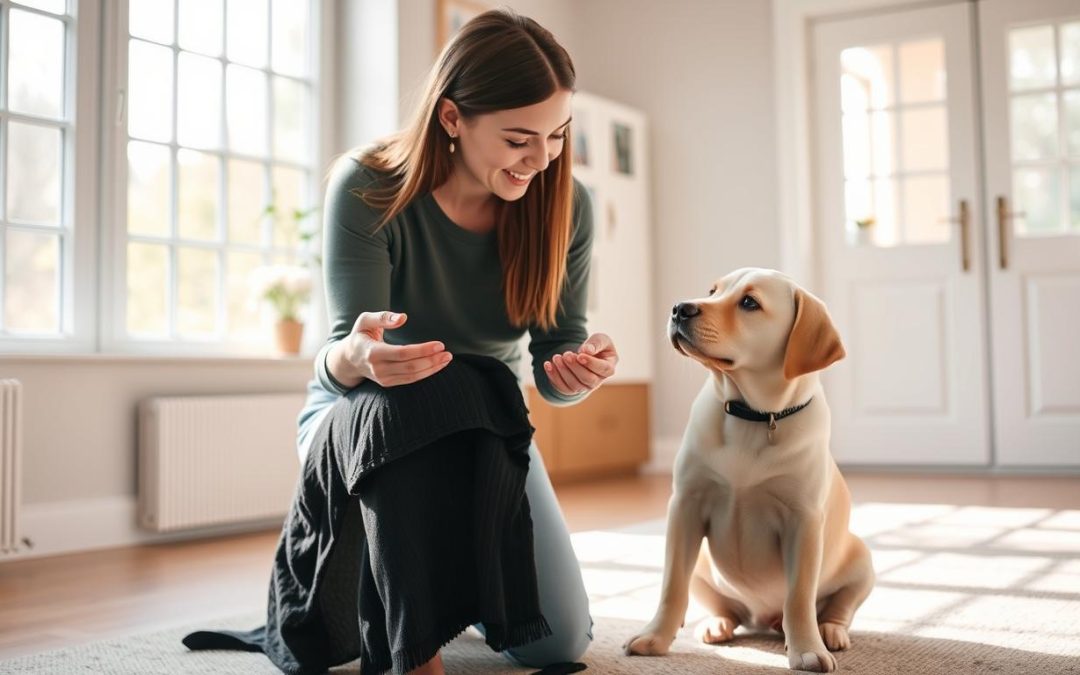
Many pet parents wonder if their two-year-old dog can learn new things. The answer is yes! It’s a common myth that dogs can’t learn once they’re grown.
While puppies soak up information quickly, older dogs have their own strengths. They can focus better and have a strong bond with their owners. This makes them great learners.
Some worry about the dog training age limit. Maybe your dog has old habits or you couldn’t train them earlier. But don’t worry, we’re here at Happy Dogs Boarding and Training to help you teach your dog new things.
In this article, we’ll dive into how adult dogs learn. We’ll talk about the benefits of training older dogs and the challenges you might face. We’ll also share effective ways to train your dog. With the right approach and patience, your dog can learn and behave well, just like a puppy.
Key Takeaways
- Two-year-old dogs can absolutely learn new behaviors and commands
- Adult dogs often have better focus and attention spans than puppies
- The bond between owner and dog is more important than age for training success
- Consistency and positive reinforcement work for dogs of all ages
- Older dogs may require different training approaches than puppies
- Patience is essential when working with adult dogs who have established habits
The Truth About Dog Training and Age
Many pet owners think that dogs stop learning once they grow up. But this is not true. Dogs can learn new things at any age. A 2-year-old dog is actually perfect for training because they have lots of energy and can focus better than puppies.
Common Misconceptions About Training Adult Dogs
The saying “you can’t teach an old dog new tricks” is very harmful. It stops many owners from training their adult dogs. People also think adult dogs are too stubborn to learn new things.
Some believe dogs can only learn when they’re puppies. But dogs can keep learning as they get older. In fact, adult dog training can go faster because they can focus better.
What Science Says About Canine Learning Abilities
Science proves that dogs can keep learning as adults. The idea that dogs stop learning with age is wrong. Dogs of all ages can change their brains to learn new things.
Studies show that older dogs can solve problems and remember commands better than puppies. The main difference is how they are trained. Adult dogs need special training methods because of their established habits.
Research on Adult Dog Cognition
Recent studies show that dogs stay smart well into old age. A study from the University of Vienna found that older dogs are better at tasks that need focus and control. These are areas where puppies often struggle.
The science is clear: your 2-year-old dog is not just able to learn; they’re at the best age for dog training. Their brain is fully developed but they can also adapt well. This makes them perfect for learning new things.
Is it too late to train a dog at 2? Debunking the Myth
Many dog owners wonder if their 2-year-old dog is too old to learn new things. The answer is a clear no. It’s a common myth that older dogs can’t learn new tricks. But, dogs can learn new things all their lives, even at 2 years old.
While puppy training gets a lot of attention, training adult dogs has its own benefits. A 2-year-old dog is physically and mentally ready to learn. So, the question “is it too late to train a dog at 2?” has a clear answer based on science and experience.
Understanding Your 2-Year-Old Dog’s Mental Maturity
By age two, your dog’s brain is fully developed. Unlike puppies, they can learn and remember better. This means they can understand cause and effect more clearly.
A 2-year-old dog also has a more stable personality. You know their likes, dislikes, and energy levels. This makes training easier and more effective for them.
The Advantages of Training Adult Dogs vs. Puppies
Training a 2-year-old dog has many benefits over puppy training. They can focus better, making training more productive. They’re also less easily distracted than puppies.
Another advantage is their physical maturity. Your 2-year-old dog is fully grown, making training easier. You don’t have to worry about how big they’ll get or how their strength will change.
Focus and Attention Span Benefits
One of the biggest benefits of training a 2-year-old dog is their focus. Unlike puppies, they can stay focused for longer. This makes training sessions more effective.
This focus means they can learn complex commands faster. They also remember what they learn better. So, training an adult dog can be more efficient than training a puppy.
Benefits of Training Your Adult Dog
Many people think training stops after a dog is a puppy. But, adult dogs can learn new things and even remember them better than younger dogs. A 2-year-old dog can pick up new skills and remember them well.
Improved Behavior and Reduced Anxiety
Adult dog training helps fix bad behaviors. Dogs that pull on leashes or bark too much can change. It takes time, but it’s possible with the right training.
Training also keeps your dog’s mind active and lowers their anxiety. When they know what to do, they feel less stressed. Many problems come from not knowing what to do, and training helps fix that.
Strengthened Bond Between Owner and Dog
Training brings you and your dog closer together. You learn to communicate better. This is one of the best parts of old dog training.
Training shows your dog you care about them. This builds trust and respect. Many owners say their dogs listen better and are more attentive after training.
Enhanced Safety for Your Dog and Others
Training makes your dog safer. They learn to listen to commands like “come” and “stay.” This keeps them from danger.
Well-trained dogs are also safer for others. They can go more places and make everyone happy. This opens up new adventures for you and your dog.
Potential Challenges When Training a 2-Year-Old Dog
Training a 2-year-old dog comes with its own set of challenges. These obstacles might seem tough at first, but they’re normal and can be beaten. Knowing what you’re up against is key to successful dog training at any age.
Addressing Established Habits and Behaviors
Unlike puppies, 2-year-old dogs have already formed habits—both good and bad. Changing these habits can be harder than teaching new ones.
For instance, a dog that has jumped on guests for two years won’t instantly stop. Changing this behavior takes consistency and positive rewards for new actions.
Overcoming Previous Training Gaps
Many adult dogs have gaps in their training that need fixing. Maybe they never learned basic commands or got enough socialization.
Finding these gaps is key to a good training plan. Some dogs might need to learn basic skills first. This doesn’t mean they can’t learn—it just means you need a smarter approach to old dog training.
Patience Requirements for Adult Dog Training
Adult dogs can learn new things, but it might take longer than with puppies. They might need more practice to change old habits.
Patience is your best friend when training a 2-year-old dog. Progress might be slow, and you’ll face setbacks. But, being consistent will pay off, even if it takes time.
The bright side is that adult dogs often focus better and have better control than puppies. This can make training more effective once you get past the initial challenges.
Effective Training Methods for Adult Dogs
Adult dogs do well with certain training methods. These methods respect their maturity and learning style. Unlike puppies, a 2-year-old dog needs structured training that fits their personality and sets clear expectations. Let’s look at the best training techniques for your adult dog.
Positive Reinforcement Techniques That Work
Positive reinforcement is the top choice for dog training today. It rewards good behavior instead of punishing bad ones. When your 2-year-old dog sits on command, give them a treat, praise, or their favorite toy right away.
This method boosts confidence in adult dogs, who may have had inconsistent training before. Studies prove that positive reinforcement strengthens the bond between owners and pets. It also leads to better results than punishment-based training.
Clicker training is great for adult dogs. The click sound marks the exact moment your dog does something right. This makes it clear what behavior earned the reward.
Consistency and Routine in Training Sessions
Adult dogs love predictability. A consistent training routine helps your 2-year-old dog understand what’s expected. Short, focused sessions of 10-15 minutes daily work better than long, infrequent ones.
Always use the same commands and hand signals. If “down” means lie down, everyone should use it the same way. This avoids your dog from picking and choosing what to listen to.
Where you train matters too. Start in quiet places without distractions. Then, gradually move to more challenging spots. This helps your dog learn to focus better.
Professional Training Options in New Jersey
New Jersey has many professional dog training resources for adult dogs. Group classes teach basic obedience and provide socialization. These usually cost between $300-700 for 6 weeks and are found at pet stores and training facilities.
Private training sessions offer one-on-one attention for specific issues. Many trainers in New Jersey come to your home. This lets your dog learn in their own environment.
Board-and-train programs are for dogs with big behavioral challenges or families who want comprehensive training from basic obedience to off-leash in a turn key package. Your dog stays with a trainer for 2-4 weeks. These programs in New Jersey include follow-up sessions to help your dog learn at home.
Finding the Right Trainer for Your Adult Dog
When choosing a dog trainer in New Jersey, look for certifications from groups like the CCPDT or IAABC. Ask about their experience with adult dogs. Also, ask for references from clients with dogs like yours.
Most importantly, make sure the trainer uses positive, science-based methods. Avoid trainers who recommend punishment or use shock collars. These can harm your relationship with your dog and cause fear.
Essential Commands and Skills to Teach Your 2-Year-Old Dog
Dogs at 2 years old are ready to learn important commands and skills. They can focus well and adapt easily. A good training plan will help you and your dog succeed.
Basic Obedience Commands to Start With
Start with basic commands that are key to good behavior:
Sit, Place, and Come – These commands are vital for safety and control. Use clear words and hand signals. Reward your dog right away for correct behavior.
Leave It and Drop It – These commands are important to keep your dog safe. Start with simple items and then move to more tempting ones.
Loose-Leash Walking – Many dogs at this age pull on the leash. Use a harness and reward your dog for walking beside you without pulling.
Behavioral Training for Common Issues
Deal with common adult dog problems with specific training:
Excessive Barking – Teach a “quiet” command by catching your dog in the act. Say “quiet” firmly and reward them when they stop. Consistency is key.
Jumping on People – Teach visitors to ignore your dog when they jump. Only give attention when they have all four paws on the floor. This teaches them that jumping doesn’t get attention.
Resource Guarding – Desensitize your dog by trading guarded items for treats. This teaches them that giving up items leads to positive outcomes.
Advanced Skills for Mental Stimulation
Once basic obedience is learned, challenge your dog with advanced activities:
Trick Training – Teach tricks like “spin” or “high five” for mental exercise. Adult dogs often excel at learning these fun commands.
Scent Work – Engage your dog’s sniffing skills by hiding treats or toys. This activity sharpens their problem-solving skills.
Puzzle Toys – Use food puzzles to challenge your dog. These toys keep them engaged and improve their cognitive abilities.
Is it too late to train a dog at 2? Absolutely not. With the right training, your 2-year-old dog can learn both basic and advanced skills. Adult dogs are great students.
Tools and Resources for Successful Adult Dog Training
Training an adult dog needs more than just the right techniques. You also need the right tools and resources. The market is full of training products, but not all work well for 2-year-old dogs. Let’s look at the best equipment and resources for your adult dog training journey.
Training Equipment That Helps
The right gear makes training more fun and effective for you and your dog. A well-fitting harness gives you control without hurting your dog. Traditional collars can make some dogs pull back, which isn’t good.
Long training leads (15-30 feet) let your dog move around while you keep them in check. This is great for adult dogs who need room to learn and explore.
Treat pouches on your waist keep rewards handy, which is key for training. Clickers help mark good behavior, which is super useful for changing old habits in adult dogs.
Books and Online Resources
Many training books are for puppies, but there are great ones for adult dog training. “Training the Best Dog Ever” and “How to Behave So Your Dog Behaves” are great for older dogs.
Online, the Association of Professional Dog Trainers (APDT) has lots of articles and webinars on adult dog behavior. YouTube channels like Zak George’s Dog Training Revolution and Kikopup have free tutorials for dogs of all ages.
Apps and Technology for Dog Training
Technology has changed dog training a lot. Apps like Dogo and GoodPup create training plans for your dog’s age and skills. They’re perfect for 2-year-old dogs.
Remote treat dispensers help with training even when you’re not there. This is great for adult dogs with separation anxiety. Virtual training sessions with certified trainers offer personalized help without leaving home.
Unlike puppy training apps, adult dog apps focus on behavior changes and advanced skills. These tools help with consistency, which is key for adult dogs.
Conclusion: It’s Never Too Late for Training Success
Is it too late to train a dog at 2? The answer is a clear no. We’ve learned that adult dogs can learn a lot and often have advantages over puppies.
Two-year-old dogs usually focus better, have more control over their bodies, and have set personalities. This makes training easier because you can tailor it to them. You might face old habits, but the right methods can help overcome them.
The secret to success is positive reinforcement, being consistent, and patient. Start with simple commands and then move on to harder skills. Your adult dog can learn new things at any age.
In New Jersey, there are many resources to help you train your dog. You can find professional trainers and group classes for adult dogs. Parks and pet-friendly areas are great places to practice new skills.
Training is more than just teaching commands. It’s about building a strong bond and trust with your dog. Begin today, and you’ll see how much your 2-year-old dog can learn with your help and support.
FAQ
Is it too late to train a dog at 2 years old?
No, it’s not too late to train a 2-year-old dog. Adult dogs often learn better than puppies because they focus more. The idea that you can’t teach an old dog new tricks is a myth. Dogs can learn new things at any age.
What are the advantages of training an adult dog versus a puppy?
Adult dogs have better focus and control. They’re emotionally stable and learn faster. Adult dogs can learn specific behaviors without distractions.
How long will it take to train my 2-year-old dog?
Training time depends on your dog’s personality and what you want to teach. Basic commands might take weeks, but complex ones can take months. Be patient and celebrate small wins.
What training methods work best for adult dogs?
A: Positive reinforcement is the best method for adult dogs. It uses treats and praise for good behavior. Training should be consistent and short, with clear commands.
Can I train out bad habits my 2-year-old dog has developed?
Yes, you can change bad habits with consistent training. It takes time and patience. For serious issues, a professional trainer can help a lot.
What are the essential commands I should teach my 2-year-old dog first?
Start with basic commands like sit, stay, and come. These are important for clear communication. Once your dog masters these, you can teach more complex behaviors.
How can I find a good dog trainer in New Jersey for my adult dog?
Look for trainers who use positive methods and have experience with adult dogs. Check for certifications and ask for references. Many trainers in New Jersey offer classes for adult dogs.
What equipment do I need to train my 2-year-old dog?
You’ll need a good collar, leash, and treats. Avoid harsh equipment like shock collars. They can scare your dog and make training harder.
My 2-year-old dog gets distracted easily during training. What can I do?
Train in quiet places first, then add distractions. Use treats that excite your dog. Keep sessions short and frequent. Use commands like “look at me” to focus your dog.
Can I train my 2-year-old dog myself or do I need professional help?
Many owners train their dogs themselves. But, a professional can offer valuable advice, which can speed up learning. Group classes are also a great way to learn and socialize.
What’s the best age to train a dog?
Dogs can learn at any age. Adult dogs might learn faster than puppies. The best time to train is always now, no matter the age.